Prove your detections work, under attack
Launch MITRE ATT&CK-mapped scenarios against scoped, authorized targets, then measure what your SOC caught, what it missed, and how fast.
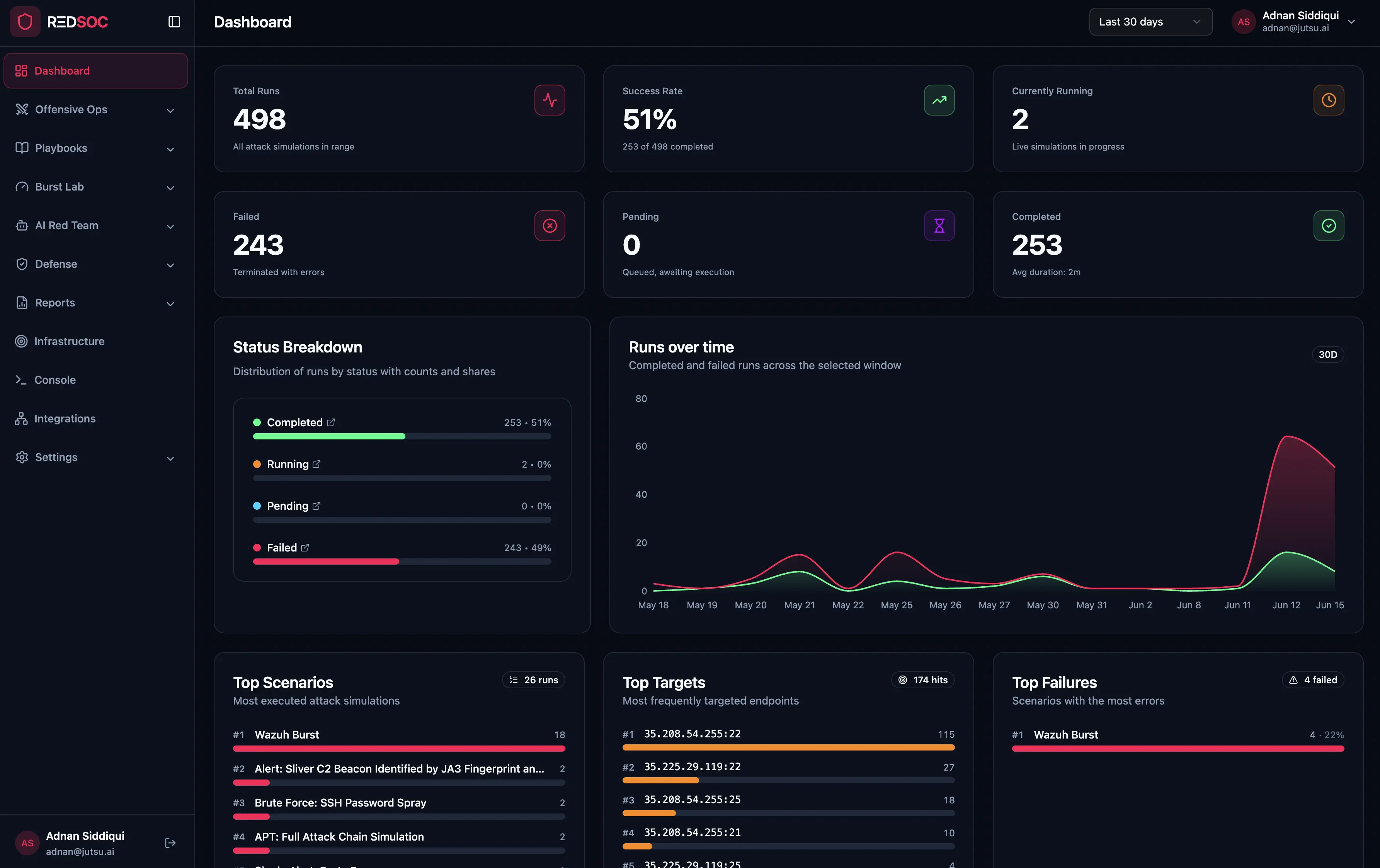
- MITRE-mappedEvery scenario tagged to ATT&CK tactics and techniques.
- Safe by designScoped environments, safety profiles, approvals, and a kill switch.
- Detection-awareCorrelates each run to SIEM events and scores what fired.
- Surfaces gapsHighlights the techniques your detections missed.
Up and running in three steps
Pick a scenario
Brute-force spray, C2 beacons, ransomware, lateral movement, or full APT chains.
Launch against a target
Run against authorized targets inside a scoped lab, staging, or prod environment.
Measure detection
See what your SOC caught, what it missed, and the time-to-detect.
Everything in Red Team
Attack scenario library
19 built-in MITRE-mapped scenarios plus your own custom ones, repeatable on demand.
Offensive ops
Brute force, C2 beacons, malware, lateral movement, exfil, ransomware, and APT chains.
Multi-step campaigns
Chain scenarios into full kill-chains with a YAML campaign engine.
Burst Lab
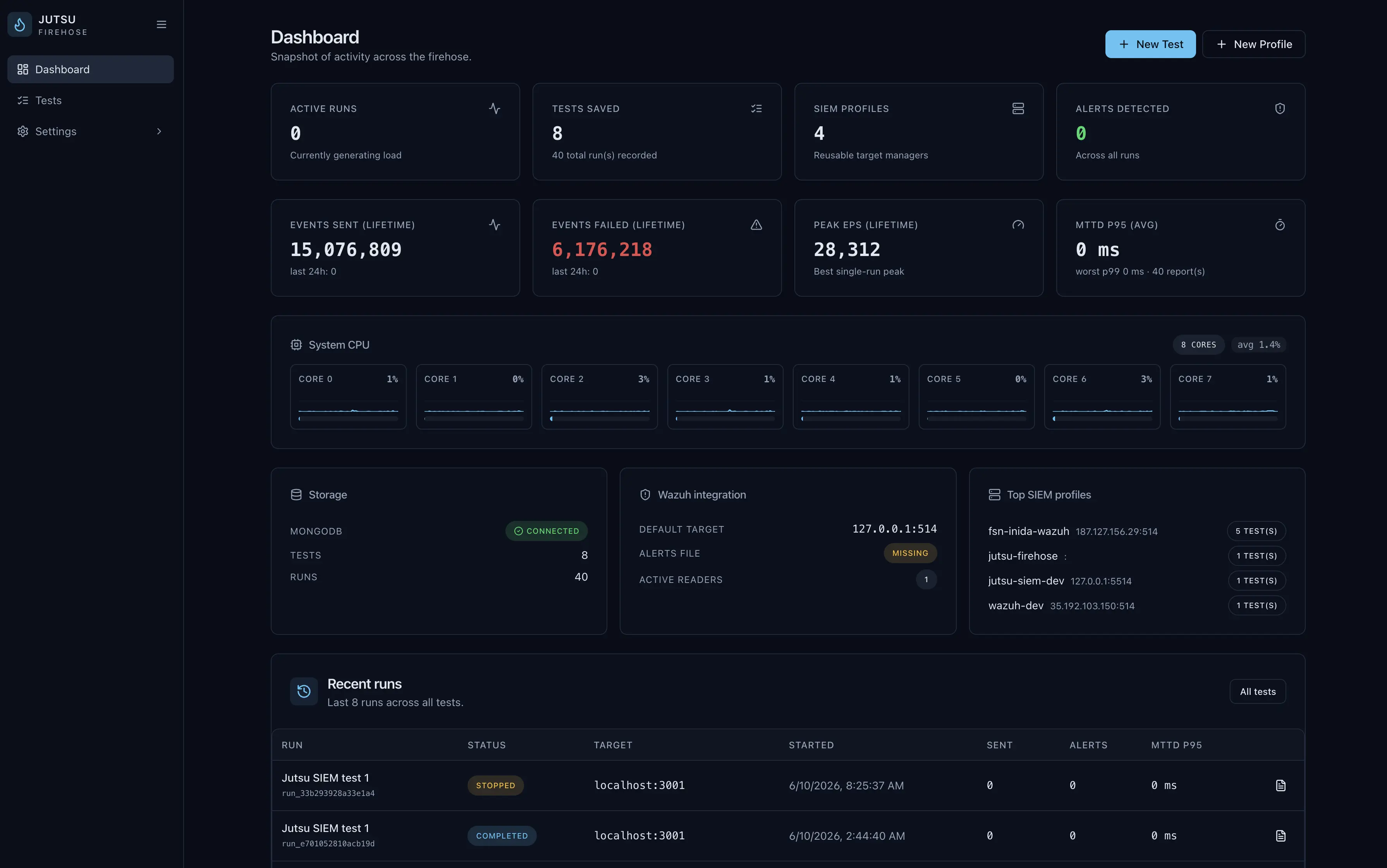
Fire high-volume scenario-event bursts to stress-test SIEM ingestion and alerting.
Detection validation
Correlates runs to SIEM events to compute detection rate, time-to-detect, and coverage.
Safety guardrails
Environment scoping, two-person approvals, audit log, RBAC, and a global kill switch.
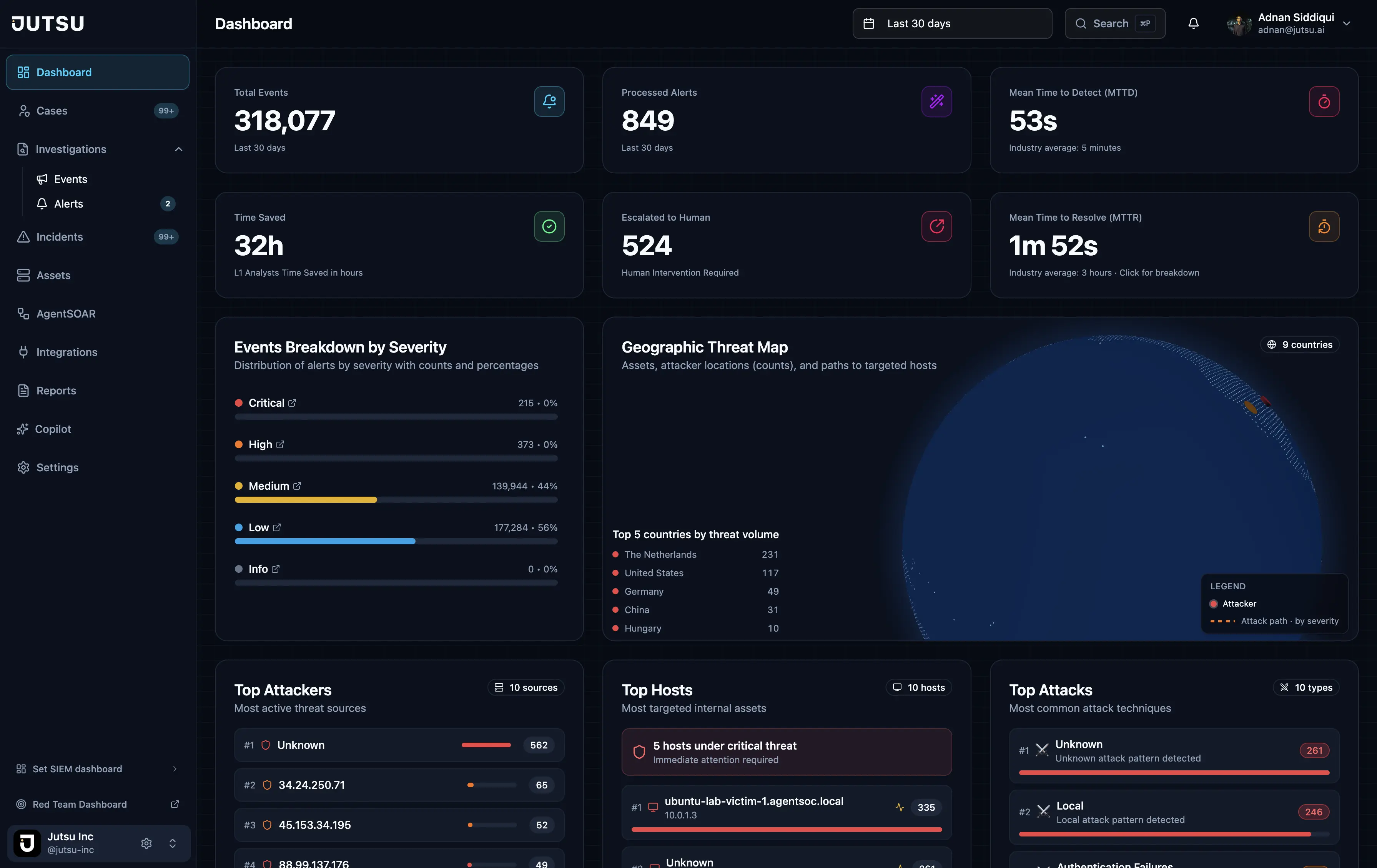
Explore the rest of the platform
Common questions about Red Team
Will the simulations cause real damage?
No. Red Team is safe by design — scenarios are scoped to authorized targets and run without causing real harm to your systems.
Is it safe to run against production?
Yes — runs are scoped with safety profiles, sensitive environments require two-person approval, and a global kill switch can stop everything instantly.
How often can we run simulations?
On demand or on a schedule — fire a single scenario, chain a full campaign, or re-test after every detection change.
Do we need offensive-security expertise?
No. 19 built-in MITRE-mapped scenarios (plus your own) run the attacks; your team just reviews what fired and what was missed.
How does it measure whether we detected an attack?
It correlates each run against your SIEM events to compute detection rate, time-to-detect, and coverage — showing which techniques fired and which were missed.
Subscribe to our newsletter
Get the latest security tips, product updates, and news delivered to your inbox.